Freshwater Pearl Necklace Guide: Expert Tips
Read our complete freshwater pearl necklace guide to evaluate luster, nacre, and shape. Learn expert tips to choose the perfect cultured pearl strand today.
Table of Contents
- Evaluating Luster and Surface Quality
- Understanding Shape and Size Variations
- Core Elements of a Freshwater Pearl Necklace Guide
- Selecting the Ideal Length and Proportion
- What People Are Asking
- Comparing Cultivation Types
- Practical Tips for Care and Styling
- Wrapping Up
This freshwater pearl necklace guide is a comprehensive resource for evaluating cultured pearl jewelry. It covers essential grading factors like luster, surface quality, and nacre thickness to help buyers select high-quality strands that offer lasting elegance and value.
Quick Stats: Freshwater Pearl Necklace Guide
- The most popular size range for strands is 7.5–8.0 millimeters (Pearl Paradise, 2025)[1].
- Standard everyday lengths are typically 16 and 18 inches (Pearl Paradise, 2025)[1].
- Mantle-tissue nucleated pearls can have nacre thickness approaching 100 percent of the radius (Gemological Institute of America, 2024)[2].
Finding the perfect strand of cultured gems requires careful consideration of several visual and structural traits. This freshwater pearl necklace guide provides a detailed roadmap for navigating the diverse options available in today’s jewelry market. Unlike saltwater varieties, these gems are cultivated in mussels within lakes and rivers, offering unique characteristics that appeal to both novice collectors and seasoned enthusiasts. When you begin your search, utilizing a reliable freshwater pearl necklace buying guide becomes essential for understanding the nuances of pearl grading. We will explore the critical value factors that determine beauty and longevity, including luster, surface condition, and overall matching. Additionally, we will break down the most flattering sizes and lengths for everyday wear. By the end of this article, you will possess the knowledge needed to confidently evaluate quality and make an informed purchase that complements your personal style.
Evaluating Luster and Surface Quality
The visual appeal of any pearl strand relies heavily on its reflective properties and physical cleanliness. Luster refers to the sharpness and intensity of light reflecting off the surface, which is widely considered the most critical factor in determining overall beauty. High-quality specimens exhibit a mirror-like shine that allows you to see clear reflections of surrounding objects. Surface quality, on the other hand, evaluates the presence of natural blemishes, spots, or irregularities. Because these gems are formed organically inside mussels, completely flawless examples are exceedingly rare. However, minor imperfections that are not visible to the naked eye are generally acceptable and do not detract from the jewelry’s elegance.
According to Sally Spencer, Senior Gemologist at the Gemological Institute of America, “When choosing a freshwater pearl necklace, prioritize luster and surface quality over size – high-luster pearls with clean surfaces will look more luxurious and hold their value better than larger but dull or heavily blemished pearls” (Gemological Institute of America, 2025)[3]. This advice underscores the importance of prioritizing optical brilliance over sheer physical dimensions when consulting a guide to freshwater pearl necklaces.
The Role of Nacre Thickness
The depth of the nacre layers directly influences both the luster and the long-term durability of the jewelry. Unlike saltwater varieties that are typically bead-nucleated, most cultured options grown in lakes and rivers are mantle-tissue nucleated. This unique cultivation method means the entire gem is composed of solid nacre, resulting in exceptional depth and a rich, glowing overtone. Buyers should always verify that the nacre is thick and evenly distributed, as thin layers can lead to a chalky appearance and premature peeling. A strand with robust nacre will maintain its radiant shine for decades, even with regular wear.
Understanding Shape and Size Variations
Cultured gems grown in freshwater environments exhibit a broad spectrum of physical dimensions and geometric forms. While perfectly spherical examples are highly prized, the majority of production yields baroque, off-round, or oval shapes. These organic, asymmetrical forms possess a unique charm and are often favored by designers creating contemporary or artistic jewelry pieces. Nevertheless, traditionalists and collectors typically seek out round pearls, which remain the gold standard for classic strands. Because perfectly round specimens make up a minority of the total harvest, they command significantly higher prices in the market.
The size of the gems in a standard strand typically ranges from 4.0 to 10.0 millimeters. Smaller dimensions, particularly those under 7.5 millimeters, are frequently recommended for younger women or first-time buyers seeking a delicate, subtle aesthetic. Conversely, larger sizes project a bolder, more mature presence that is often reserved for formal occasions or evening wear. To understand broader industry standards, review the official pearl buying educational guidelines published by Jewelers of America.
Modern Advancements in Cultivation
Recent innovations in aquaculture and grafting techniques have dramatically improved the consistency and quality of these gems. Mia van der Meer, Jewelry Manufacturing Arts Instructor at the GIA, notes that “Freshwater pearls today can be remarkably round and highly lustrous, making them an excellent choice for first-time buyers who want a beautiful pearl necklace without the premium price of top Akoya or South Sea strands” (Gemological Institute of America, 2025)[4]. This evolution means that shoppers can now access near-perfect rounds with exceptional shine at a fraction of the cost associated with premium saltwater alternatives. When utilizing a detailed freshwater pearl strand guide, understanding these modern cultivation achievements helps buyers recognize the true value of contemporary strands.
Core Elements of a Freshwater Pearl Necklace Guide
A comprehensive evaluation framework ensures that buyers prioritize the most impactful visual and structural traits. Professional gemologists and jewelry specialist evaluators rely on a specific set of criteria to grade and price these organic gems accurately. The primary value factors include size, shape, color, luster, surface quality, nacre quality, and overall matching. While individual characteristics like size and shape are important, the harmony of the entire strand is what ultimately dictates its aesthetic success and market value.
Matching Pearls for a Unified Strand
Creating a cohesive necklace requires meticulous sorting to ensure that every gem aligns in terms of color, shape, and reflective intensity. A well-matched strand appears uniform from end to end, creating a seamless flow of light across the collarbone. Ashley McNamara, Founder and Designer at Pure Pearls, emphasizes that “A freshwater pearl necklace with well-matched pearls – consistent in color, shape and luster from end to end – will always look more refined than a strand that focuses only on size or trend-driven colors” (Pure Pearls, 2025)[5].
Achieving this level of uniformity is a labor-intensive process that involves sifting through thousands of individual gems to find those that share nearly identical characteristics. This is why a high-quality, perfectly matched strand costs considerably more than a collection of loose, mismatched beads. Consumers should inspect the strand under various lighting conditions to ensure the pearl matching holds up outside the jewelry store’s spotlight. The clasp and stringing material also play a supporting role, ensuring the gems are securely held and properly spaced, a detail often highlighted in a thorough freshwater pearl jewelry guide.
Selecting the Ideal Length and Proportion
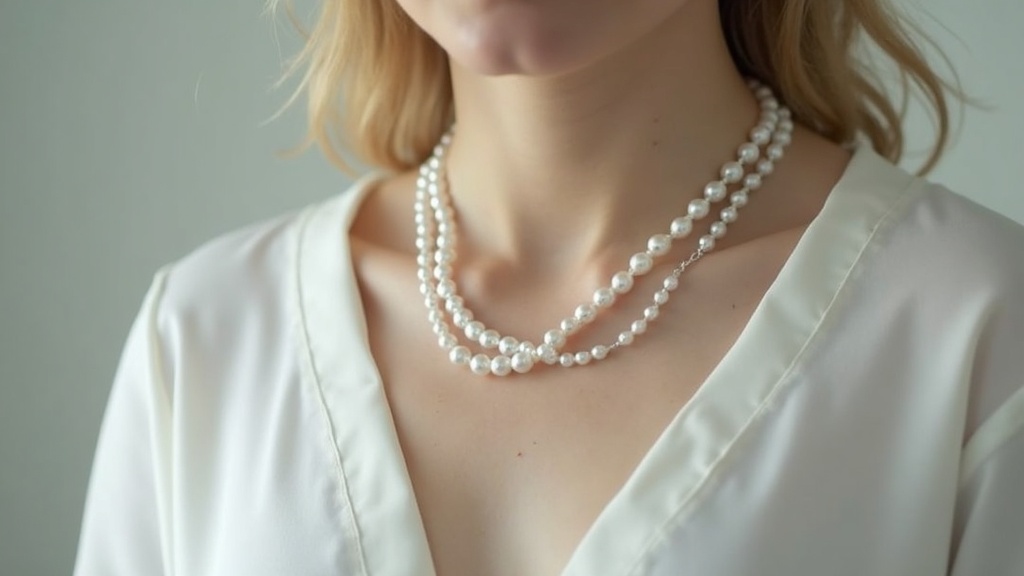
The physical dimensions of a necklace dictate how it rests on the body and influences the overall silhouette of the wearer. Choosing the correct necklace length is just as crucial as selecting the right gem quality, as it determines the formality and versatility of the piece. The most universally flattering and popular lengths for everyday wear are 16 inches and 18 inches. A 16-inch strand, often referred to as a choker or princess length, sits snugly at the base of the neck and pairs beautifully with V-necklines or open collars. An 18-inch strand drops slightly lower, offering a more relaxed look that works well with both casual and professional attire.
Proportions for Different Age Groups and Styles
The diameter of the gems should also be proportionate to the wearer’s frame and personal style preferences. Industry experts generally advise that for most customers looking for a versatile option, a 7.5–8.0 millimeter, 16- or 18-inch strand offers the perfect balance of wearability, elegance, and price (Pearl Paradise, 2025)[1]. This specific combination provides enough visual weight to be noticed without overwhelming the wearer’s features.
For those building a long-term jewelry collection, versatility should remain a top priority. Specialists recommend that beginners think of their first purchase as a long-term companion piece, suggesting the selection of a classic length and a subtle color that complements the wearer’s skin tone for decades of enjoyment (Pearl Falco, 2026)[6]. By focusing on timeless proportions rather than fleeting fashion trends, buyers can invest in a piece that transitions seamlessly from daily office wear to elegant evening events. Consulting a thorough resource ensures these proportional nuances are never overlooked when selecting freshwater pearl necklaces.
What People Are Asking
How do I clean my strand after wearing it?
Proper maintenance is essential for preserving the luster and nacre of your jewelry. After each wear, gently wipe the gems with a soft, lint-free cloth to remove natural skin oils, perspiration, and cosmetic residues. These substances can slowly degrade the surface and dull the shine over time. Avoid using ultrasonic cleaners, steam cleaners, or harsh chemical solutions, as these can severely damage the delicate organic material. If a deeper clean is necessary, use a damp cloth with a mild, non-detergent soap, and allow the strand to dry completely flat before storing it. Consistent, gentle cleaning ensures the gems remain radiant for years.
What is the difference between these and Akoya pearls?
The primary distinction lies in their cultivation environment and nucleation process. Akoya pearls are grown in saltwater oysters and are typically bead-nucleated, resulting in perfectly round shapes with sharp, mirror-like luster. In contrast, freshwater varieties are cultivated in mussels within lakes and rivers and are usually mantle-tissue nucleated, meaning they are composed entirely of solid nacre. While Akoya strands traditionally commanded higher prices due to their perfect roundness, modern cultivation techniques have significantly narrowed the quality gap. Today, high-grade cultured options offer exceptional roundness and deep luster at a more accessible price point, making them a highly competitive alternative.
Should I knot the silk thread between each gem?
Yes, knotting the silk or synthetic thread between every single gem is a standard and highly recommended practice in fine jewelry crafting. This technique serves two critical purposes. First, it prevents the gems from rubbing against one another, which protects their delicate surfaces from friction and scratching. Second, if the strand were to accidentally break, the knots ensure that only one or two gems are lost rather than the entire collection scattering across the floor. High-quality strands will always feature tight, uniform knots that are proportionate to the drill holes, providing both security and an elegant, fluid drape.
How should I store my jewelry to prevent damage?
Proper storage is vital to protect the soft surface of organic gems from scratches and dehydration. Always store your necklace separately from harder gemstones and metals, such as diamonds or gold, which can easily scratch the nacre. The best method is to lay the strand flat in a soft cloth pouch or a dedicated lined jewelry box. Avoid hanging the necklace for long periods, as this can stretch the silk thread and weaken the structural integrity. Additionally, keep the jewelry away from extremely dry environments, as a lack of ambient moisture can cause the nacre to crack or peel over time.
Comparing Cultivation Types
When shopping for organic gem jewelry, buyers typically evaluate different cultivation types and grading tiers to find the best fit for their budget and aesthetic preferences. Comparing the distinct characteristics of various pearl types helps clarify why a specific strand might be the ideal choice. Using a detailed freshwater pearl necklace guide allows shoppers to weigh these options effectively.
| Feature | Cultured Freshwater | Akoya Saltwater | South Sea Saltwater |
|---|---|---|---|
| Nucleation | Mantle-tissue (solid nacre) | Bead-nucleated | Bead-nucleated |
| Typical Size | 4.0–10.0 millimeters | 6.0–9.0 millimeters | 9.0–20.0 millimeters |
| Luster Style | Soft, satiny glow | Sharp, mirror-like | Deep, luxurious |
| Price Point | Highly accessible | Moderate to high | Premium luxury |
Practical Tips for Care and Styling
Maintaining the beauty of your jewelry requires adopting a few simple daily habits and staying informed about current styling trends. Always put your necklace on last when getting dressed, ensuring it avoids contact with perfumes, hairsprays, and lotions that can chemically damage the nacre. When traveling, use a dedicated soft pouch to prevent the gems from tangling with other accessories.
Styling-wise, layering has become a popular trend among modern jewelry enthusiasts. You can pair a classic 16-inch strand with longer, delicate gold chains to create a textured, contemporary look that bridges the gap between vintage elegance and modern fashion. For those interested in expanding their collection beyond necklaces, exploring complementary pieces like stud earrings or bracelets can create a cohesive aesthetic. You can find excellent inspiration and styling advice in our comprehensive jewelry styling and care resource. Additionally, understanding how to properly match metals with the overtone of your gems is crucial; silver clasps enhance cool, rosé overtones, while gold clasps beautifully complement warm, creamy hues. For more detailed tutorials on accessorizing, check out our complete accessory matching guide.
For more about Tradelivingreview guide, see explore tradelivingreview guide in depth.
Wrapping Up
Selecting the perfect strand involves balancing visual brilliance, structural integrity, and personal style. By prioritizing high luster, clean surfaces, and meticulous matching, you can secure a piece that offers enduring elegance. This freshwater pearl necklace guide has outlined the essential grading factors and sizing proportions necessary to make a confident, informed purchase. Whether you prefer the subtle charm of smaller baroque shapes or the classic sophistication of perfectly round gems, understanding these core traits ensures your investment stands the test of time. To continue refining your personal collection, explore our detailed breakdown of long-term gemstone investment strategies.
Learn More
- Pearl Necklaces: The Expert How-to Guide on Selection. Pearl Paradise.
https://www.pearlparadise.com/pages/pearl-necklaces - Pearl Quality Factor: Nacre. Gemological Institute of America.
https://www.gia.edu/pearl-quality-factor-nacre - Understanding Pearl Quality: A Guide for Jewelry Buyers. Gemological Institute of America.
https://www.gia.edu/article/understanding-pearl-quality-jewelry-buyers - Cultured Freshwater Pearls: Modern Options for Everyday Jewelry. Gemological Institute of America.
https://www.gia.edu/freshwater-cultured-pearls-modern-options - How to Buy Pearls: 6 Easy Steps. Pure Pearls.
https://www.purepearls.com/pages/how-to-buy-pearls - 2026 Beginner’s Guide to Pearl Jewelry: Essential Tips on How to Choose and Care. Pearl Falco Japan.
https://www.pearlfalco.com/beginners-guide-to-pearl-jewelry/