
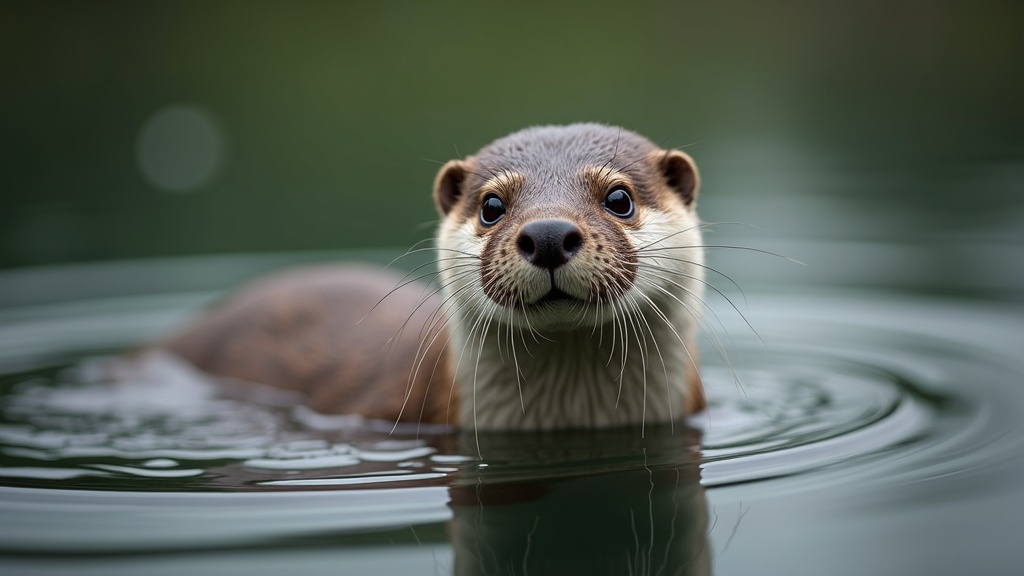
Fresh Water Otter Facts: Habitat, Behavior and Conservation
Fresh water otter populations serve as vital indicators of ecosystem health in rivers and lakes across North America. Understanding their habitat needs, social behaviors, and conservation challenges helps protect these playful aquatic mammals and the waterways they depend on.
Table of Contents
- What Are Fresh Water Otters?
- Habitat and Range
- Behavior and Diet
- Conservation Efforts
- Frequently Asked Questions
- Comparison: Fresh Water Otter vs. Sea Otter
- Practical Tips for Otter Conservation
- Final Thoughts on Fresh Water Otters
- Further Reading
Quick Summary: A fresh water otter is a semi-aquatic mammal that lives in rivers, lakes, and wetlands across North America. These playful predators help maintain balanced aquatic ecosystems and serve as key indicators of water quality. Protecting otters means safeguarding entire watersheds for future generations.
Fresh Water Otter in Context
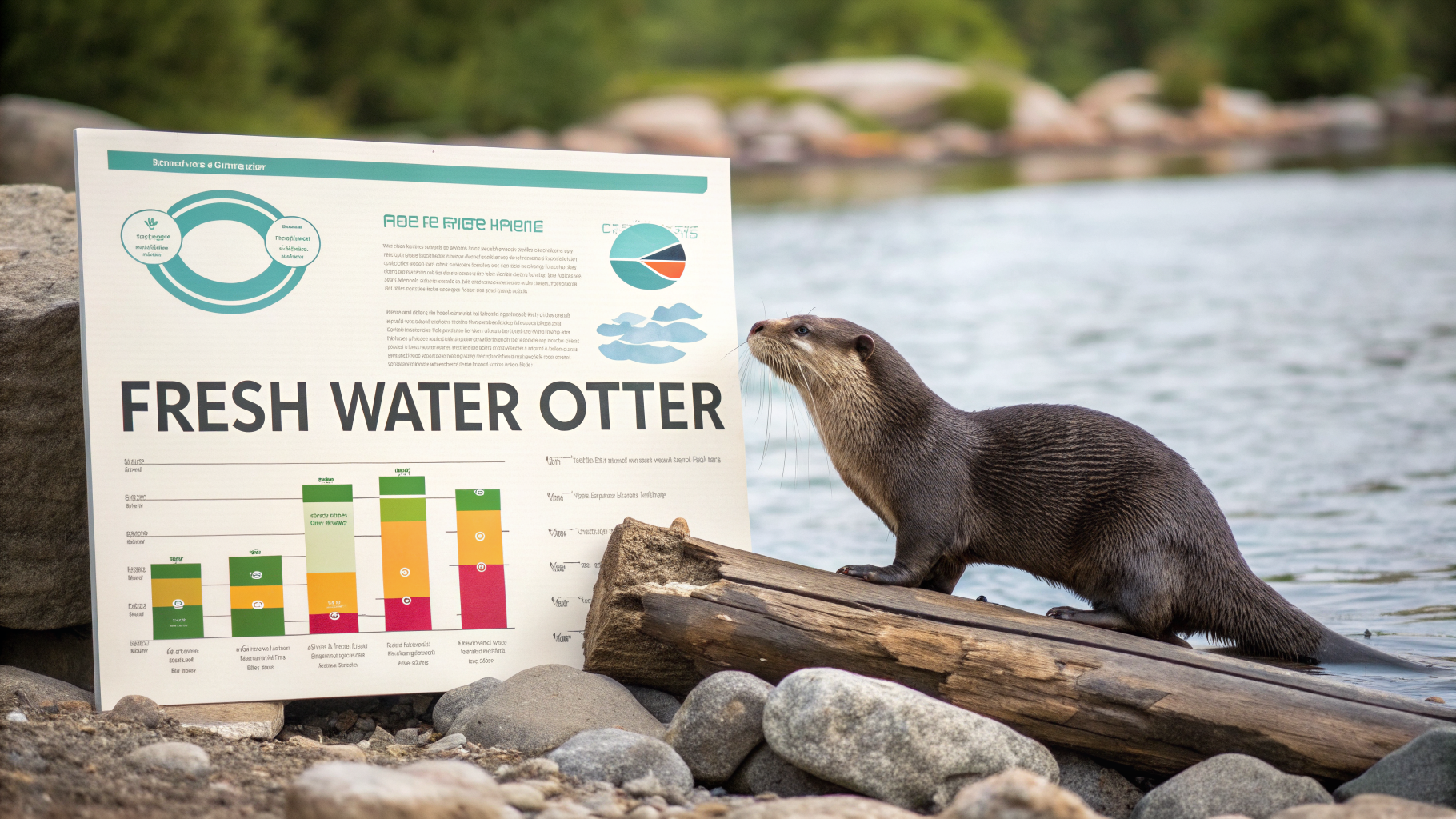
- North American river otters measure 0.9–1.2 meters in total length, including the tail (National Wildlife Federation, 2025)[1].
- They can dive up to 60 feet deep and hold their breath for up to 4 minutes underwater (Alaska Department of Fish and Game, 2025)[2].
- River otters swim at speeds of 7 miles per hour (National Forest Foundation, 2026)[3].
What Are Fresh Water Otters?
A fresh water otter is a sleek, long-bodied carnivorous mammal adapted for life in rivers, lakes, and wetlands. The most widespread species in North America is the North American river otter (Lontra canadensis). These animals belong to the mustelid family, which also includes weasels, badgers, and mink. Their streamlined bodies, webbed feet, and thick, water-repellent fur make them exceptionally agile swimmers. Adult river otters typically weigh between 5 and 14 kilograms, according to the National Wildlife Federation (2025)[1], though regional variations exist. In Alaska, for example, otters can reach 15–35 pounds (Alaska Department of Fish and Game, 2025)[2], while Massachusetts otters range from 11 to 30 pounds (MassWildlife, 2025)[4].
These semi-aquatic predators have dense fur that traps a layer of air, providing insulation in cold water. Their long, muscular tails help them steer while swimming, and their short legs end in fully webbed feet. River otters also possess excellent vision both above and below the water surface, aided by specialized nictitating membranes that protect their eyes. As top aquatic predators, they help keep fish and invertebrate populations in balance in freshwater ecosystems (National Wildlife Federation Scientists, 2025)[1].
Otters are known for their playful behavior, which includes sliding down muddy or snowy banks, wrestling with each other, and tossing pebbles or food items. This playfulness is not just entertainment – it reflects the rich, complex habitat they need to survive (National Forest Foundation Ecologists, 2026)[3]. Young otters learn critical hunting and social skills through these playful interactions.
Physical Characteristics
A typical fresh water otter has a long, cylindrical body with short legs and a thick tail. Their fur ranges from dark brown to grayish on the back, with a lighter, silvery belly. Whiskers, or vibrissae, around the snout are highly sensitive and help otters detect prey in murky water. Their ears and nostrils close automatically when they submerge. In Massachusetts, river otters measure 35–50 inches in total length (MassWildlife, 2025)[4], while in Alaska they range from 40 to 60 inches (Alaska Department of Fish and Game, 2025)[2]. These size differences reflect variations in prey availability and climate across their range.
Habitat and Range
Fresh water otters inhabit a wide variety of aquatic environments, including rivers, streams, lakes, ponds, marshes, and coastal shorelines. They require clean water with abundant prey and access to denning sites along the banks. Their distribution spans most of North America, from Alaska and Canada down to the Gulf Coast and parts of the southwestern United States. Historically, overtrapping and habitat degradation reduced their numbers, but reintroduction programs and improved water quality have helped populations recover in many regions.
Otters establish dens in abandoned beaver lodges, hollow logs, rock crevices, or burrows dug into riverbanks. These dens typically have underwater entrances, providing protection from predators and a safe place to raise young. A single otter may use multiple resting sites within its home range, which can span several miles of waterway. According to the U.S. Department of the Interior Wildlife Biologists (2025)[5], river otters depend on clean freshwater and intact riparian habitat, so conserving them means protecting entire watersheds.
Water quality is a critical factor in otter habitat selection. Because otters sit at the top of the aquatic food chain, they accumulate pollutants in their tissues. Beth Perett, a Wildlife Biologist at the Alaska Department of Fish and Game (2025)[2], notes that river otters are highly susceptible to pollution such as oil contamination because chemicals accumulate in their tissues at the top of the food chain. This sensitivity makes them excellent bioindicators – when otters thrive, the water is likely clean and healthy.
Behavior and Diet
Fresh water otters are opportunistic predators with a varied diet that includes fish, crayfish, frogs, turtles, insects, and occasionally small mammals or birds. They hunt primarily in the water, using their speed and agility to chase down prey. Their swimming speed reaches 7 miles per hour (National Forest Foundation, 2026)[3], allowing them to catch fast-moving fish. Otters typically consume 15–20% of their body weight in food each day to maintain their high metabolic rate.
These animals are mostly crepuscular, meaning they are most active during dawn and dusk, though they can be seen at any time of day. They are excellent divers, capable of reaching depths of 60 feet and staying submerged for up to 4 minutes (Alaska Department of Fish and Game, 2025)[2]. When not hunting, otters spend considerable time grooming their fur to maintain its insulating properties. They also engage in social play, which strengthens bonds within family groups.
River otters are generally solitary or found in small family groups consisting of a mother and her pups. Adult males may form temporary bachelor groups outside the breeding season. Communication includes a range of vocalizations such as chirps, whistles, growls, and screams, as well as scent marking with musk from their anal glands. MassWildlife Biologists (2025)[4] emphasize that river otters are an indicator species – when they are present, it is a sign that nearby rivers, lakes, and wetlands are relatively clean and healthy.
Reproduction and Life Cycle
Female otters give birth to 1–6 pups after a gestation period of about two months, though delayed implantation can extend the time between mating and birth. Pups are born blind and helpless, weighing only a few ounces. They open their eyes at about one month and begin swimming at two to three months. Young otters stay with their mother for up to a year, learning hunting and survival skills before dispersing to establish their own territories. In Alaska, river otters have an estimated potential lifespan of 20 years (Alaska Department of Fish and Game, 2025)[2], though many do not reach this age due to predation, disease, or human-related mortality.
Conservation Efforts
Conservation of fresh water otters focuses on protecting water quality, restoring riparian habitats, and regulating trapping. Many states have implemented successful reintroduction programs that have restored otter populations to historical ranges. The species is currently listed as Least Concern by the IUCN, but local populations face ongoing threats from habitat loss, pollution, and climate change. Protecting otters requires a landscape-level approach that considers entire watersheds, not just individual waterways.
One effective strategy is the establishment of riparian buffer zones – areas of native vegetation along waterways that filter pollutants, stabilize banks, and provide wildlife habitat. Community science programs also play a role, with volunteers monitoring otter signs such as tracks, scat, and slides. These data help wildlife agencies track population trends and identify areas needing protection. For those interested in learning more about local wildlife, the cats critters section on Karma Crafts Corner offers engaging resources about North American animals.
Pollution remains a significant threat, particularly from agricultural runoff, industrial chemicals, and oil spills. Because otters accumulate toxins in their tissues, even low-level contamination can have serious health effects. Protecting otter habitat also benefits countless other species that share these freshwater ecosystems. As noted by the National Wildlife Federation Scientists (2025)[1], North American river otters are top aquatic predators that help keep fish and invertebrate populations in balance.
Frequently Asked Questions
What do fresh water otters eat?
Fresh water otters are carnivorous predators that primarily eat fish, but their diet also includes crayfish, frogs, turtles, insects, and occasionally small mammals or birds. They hunt using their speed and agility in the water, and they typically consume 15–20% of their body weight daily to fuel their high metabolism. Their diet varies by season and location, depending on prey availability.
Are fresh water otters dangerous to humans?
Fresh water otters are generally not dangerous to humans and tend to avoid people. However, like any wild animal, they may defend themselves if cornered or threatened. There are rare reports of aggressive encounters, usually involving rabid otters or mothers protecting their pups. It is best to observe otters from a distance and never attempt to feed or handle them.
How long do fresh water otters live?
In the wild, fresh water otters typically live 8–12 years, though they can reach up to 20 years in ideal conditions, according to the Alaska Department of Fish and Game (2025)[2]. In captivity, they often live longer. Mortality in the wild is highest among pups, with many not surviving their first year due to predation, starvation, or disease.
Why are fresh water otters important for the environment?
Fresh water otters are considered a keystone indicator species because their presence signals clean, healthy waterways. As top predators, they help regulate fish and invertebrate populations, preventing any single species from dominating. Their sensitivity to pollution makes them early warning systems for ecosystem health, and protecting their habitat benefits entire watersheds and the many species that live there.
Comparison: Fresh Water Otter vs. Sea Otter
While both are members of the mustelid family, fresh water otters and sea otters have distinct adaptations suited to their environments. Understanding the differences helps clarify the unique role each species plays in its ecosystem.
| Trait | Fresh Water Otter | Sea Otter |
|---|---|---|
| Primary habitat | Rivers, lakes, wetlands | Coastal marine waters |
| Body size | 5–14 kg (11–31 lbs) | 14–45 kg (31–99 lbs) |
| Tail shape | Long, muscular, tapered | Short, flattened |
| Diet | Fish, crayfish, frogs | Sea urchins, crabs, clams |
| Fur density | Dense, water-repellent | Densest fur of any mammal |
| Social structure | Semi-solitary or small groups | Often in large rafts |
| Conservation status | Least Concern (stable) | Endangered in some regions |
Practical Tips for Otter Conservation
Individuals can take meaningful steps to support fresh water otter populations and the health of local waterways. These actions range from simple household habits to community involvement. First, reduce the use of pesticides and fertilizers on lawns and gardens, as these chemicals wash into streams and accumulate in the food chain. Second, properly dispose of household chemicals, motor oil, and medications – never pour them down drains or onto the ground. Third, participate in local river cleanups or adopt-a-stream programs to remove trash and debris from waterways.
Another way to help is by supporting organizations that work to protect riparian habitats and restore wetlands. Even small actions, like planting native vegetation along shorelines, can stabilize banks and filter runoff. For pet owners, keeping cats indoors reduces predation on small wildlife that otters depend on. If you are looking for thoughtful presents for animal lovers, consider browsing gifts for cat moms that celebrate wildlife appreciation.
Educating others about the importance of clean water and healthy ecosystems amplifies conservation efforts. Share what you learn about otters with friends and family, and report any sightings of sick or injured otters to local wildlife authorities. Finally, when visiting natural areas, follow Leave No Trace principles – pack out all trash and avoid disturbing wildlife or their habitats.
For more about Fresh water otter, see get expert advice on fresh water otter.
Final Thoughts on Fresh Water Otters
Fresh water otters are remarkable animals that embody the health of North America’s rivers and lakes. Their playful nature and ecological significance make them a species worth protecting. By understanding their habitat needs, behavior, and the threats they face, we can take informed action to conserve these aquatic mammals and the waterways they call home. To continue exploring wildlife topics and find creative ways to celebrate nature, check out the cats critters section on Karma Crafts Corner for more engaging content.
Further Reading
- North American River Otter. National Wildlife Federation.
https://www.nwf.org/Educational-Resources/Wildlife-Guide/Mammals/North-American-River-Otter - River Otter Species Profile. Alaska Department of Fish and Game.
https://www.adfg.alaska.gov/index.cfm?adfg=riverotter.printerfriendly - Seven Quick Facts About River Otters. National Forest Foundation.
https://www.nationalforests.org/article/seven-quick-facts-about-river-otters - Learn about river otters. MassWildlife (Massachusetts Division of Fisheries and Wildlife).
https://www.mass.gov/info-details/learn-about-river-otters - 12 Facts About Otters for Sea Otter Awareness Week. U.S. Department of the Interior.
https://www.doi.gov/blog/12-facts-about-otters-sea-otter-awareness-week