
Understanding Yurt Camping and Glamping: A Complete Guide
Understanding yurt camping and glamping helps outdoor enthusiasts decide between a traditional tent trip and a luxury nature stay. This guide explains the key differences, benefits, and practical considerations for choosing a yurt-based glamping experience.
Table of Contents
- What Is Yurt Camping?
- The Glamping Connection
- Choosing a Yurt for Your Trip
- Practical Tips for First-Timers
- FAQ
- Comparison: Yurt vs. Tent Camping
- Final Thoughts
Article Snapshot: Understanding yurt camping and glamping means recognizing how a traditional round tent has evolved into a luxury outdoor accommodation. Yurts offer solid floors, beds, and heat, bridging the gap between rugged camping and hotel comfort. This article covers the origins, benefits, costs, and practical advice for planning a yurt-based glamping getaway.
Quick Stats: Yurt Camping and Glamping
- The global glamping market is projected to reach 5.94 billion US dollars by 2030 (Grand View Research, 2023)[1].
- 48 percent of US leisure travelers were interested in trying glamping in the next two years (KOA, 2023)[2].
- The average nightly rate for a yurt at commercial US campgrounds ranges from 80 to 200 US dollars (KOA, 2023)[3].
What Is Yurt Camping?
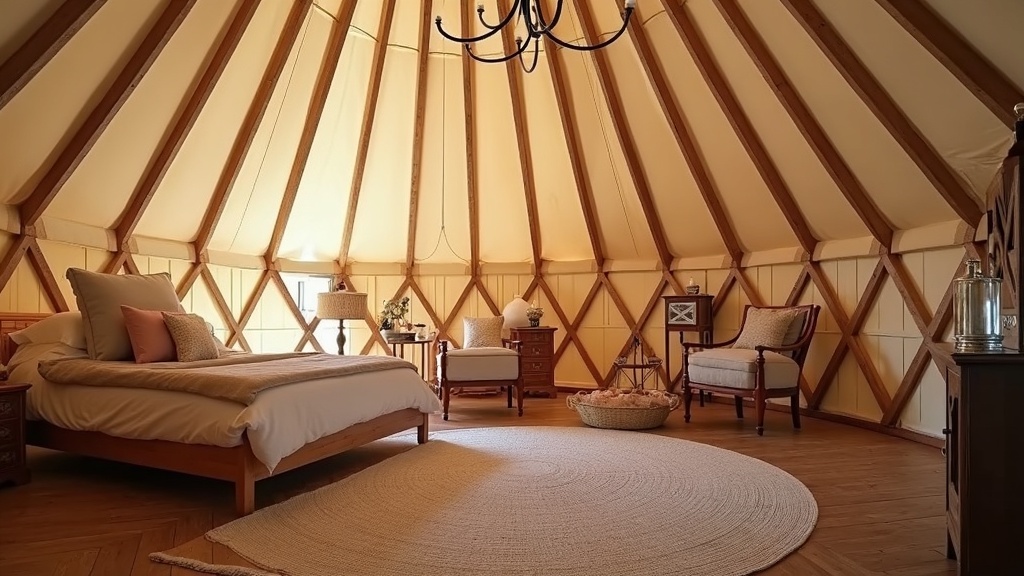
Understanding yurt camping and glamping starts with the yurt itself. A yurt is a portable, round tent traditionally used by nomadic groups in Central Asia, particularly Mongolia. Modern yurts are built with a wooden lattice frame, insulated walls, and a durable canvas or fabric cover. They range from simple off-grid shelters to fully furnished structures with electricity, heating, and private bathrooms.
Yurt camping has surged in popularity as part of the broader glamping movement. Unlike pitching a tent on bare ground, a yurt provides a solid floor, protection from wind and rain, and enough headroom to stand up comfortably. Many campgrounds and private parks now offer yurts as a premium accommodation option. According to a 2024 UK outdoor accommodation report, 32 percent of surveyed glamping businesses offer yurts as part of their accommodation mix (VisitBritain, 2024)[4].
The appeal of yurt camping lies in its accessibility. Families with young children, older adults, and anyone who finds traditional camping uncomfortable can enjoy the outdoors without sacrificing basic comforts. As Sarah Smith, Marketing Manager at Kampgrounds of America (KOA), puts it: “Yurts have become one of the most popular ways for campers to try glamping because they blend the simplicity of camping with comforts like real beds, heat, and solid floors.”[5]
The Glamping Connection
Glamping, a portmanteau of “glamorous” and “camping,” describes a style of outdoor accommodation that combines nature immersion with hotel-like amenities. Yurts are a cornerstone of the glamping industry. Their sturdy construction allows for features that traditional tents cannot support, such as electrical outlets, wood stoves, and full-size mattresses.
The global glamping market is expected to grow at a compound annual growth rate of 10.9 percent from 2023 to 2030, driven in part by the popularity of unique stays like yurts and domes (Grand View Research, 2023)[1]. This growth reflects a shift in how people want to experience nature. Dustin Schroeder, Founder of All About Glamping, explains: “Modern yurt camping lets you experience the outdoors in an immersive way, but you don’t have to rough it – you can still enjoy cozy interiors, proper furniture, and even spa-like bathrooms.”[6]
For many travelers, a yurt represents the ideal midpoint between a tent and a hotel room. The Hipcamp Editorial Team notes: “Glamping in structures like yurts gives guests the feeling of being on the edge of the wilderness while still having amenities and comforts such as beds, electricity, and access to indoor plumbing.”[7] This balance explains why yurts are among the most recognizable glamping accommodation types.
Choosing a Yurt for Your Trip
Selecting the right yurt experience depends on your budget, desired amenities, and location. Yurts vary widely in price and features. At commercial US campgrounds, the average nightly rate ranges from 80 to 200 US dollars, with higher-end units offering private bathrooms and kitchenettes (KOA, 2023)[3]. In premium destinations such as India, yurt-based glamping resorts can command rates of 200 to 250 US dollars per night (The Out Factory, 2024)[8].
When booking a yurt, consider the following factors:
- Insulation and climate control: Some yurts are designed for year-round use with proper insulation and heating, while others are seasonal. Check if the yurt has a wood stove, electric heater, or air conditioning.
- Bathroom facilities: Yurts may include a private en-suite bathroom, a shared bathhouse, or no plumbing at all. Decide what level of convenience you need.
- Bedding and furniture: Most glamping yurts come with real beds, linens, and basic furniture. Confirm what is provided to avoid bringing unnecessary gear.
- Location and setting: Yurts can be found in national parks, private campgrounds, and resort properties. Choose a setting that matches your desired activity, whether hiking, stargazing, or simply relaxing.
An outdoor travel trends article reported that 60 percent of first-time glampers chose accommodations with solid, semi-permanent structures such as yurts, cabins, or pods, rather than canvas tents (Hipcamp, 2023)[9]. This statistic underscores the confidence travelers place in yurts for a reliable outdoor stay.
Practical Tips for First-Timers
If you are new to yurt camping and glamping, a little preparation ensures a smooth experience. Here are actionable tips:
- Pack layers and weather gear. Even with heating, yurts can feel cool at night. Bring warm clothing, a sleeping bag liner, and rain gear for outdoor activities.
- Check the amenity list. Review what the yurt provides. Some include cooking equipment and linens; others require you to bring everything. This will help you pack efficiently and avoid surprises.
- Reserve early. Popular yurt campgrounds book out months in advance, especially during peak seasons. Plan your trip early to secure your preferred dates and location.
- Follow campsite rules. Many yurt sites have quiet hours, fire regulations, and pet policies. Respecting these rules ensures a pleasant stay for everyone.
Questions from Our Readers
What is the difference between yurt camping and glamping?
Yurt camping specifically refers to sleeping in a yurt, a round tent-like structure. Glamping is a broader term that includes any luxury outdoor accommodation, such as treehouses, safari tents, pods, and yurts. Understanding yurt camping and glamping means recognizing that a yurt is one type of glamping accommodation. Not all yurts are glamping-grade, but most commercial yurt rentals offer amenities like beds, electricity, and heating that qualify as glamping.
Are yurts warm enough for winter camping?
Many modern yurts are designed for year-round use with proper insulation and heating systems such as wood stoves or electric heaters. However, not all yurts are winterized. When booking a winter yurt trip, confirm that the unit has adequate insulation and a reliable heat source. Some yurts are seasonal and only available from spring through fall. Always check the listing details or contact the host before booking a cold-weather stay.
How much does it cost to stay in a glamping yurt?
Prices vary widely based on location, amenities, and season. In the United States, the average nightly rate for a yurt at commercial campgrounds ranges from 80 to 200 US dollars (KOA, 2023)[3]. Premium yurt resorts in destinations like India can cost 200 to 250 US dollars per night (The Out Factory, 2024)[8]. Budget-friendly options are available at state parks and basic campgrounds, often for under 100 US dollars per night.
What should I bring to a yurt camping trip?
Bringing the right gear ensures a comfortable stay. Essentials include sleeping bags or extra blankets, pillows, flashlights, toiletries, and cooking supplies if the yurt does not provide them. Most glamping yurts include beds and linens, but confirm with the host. Also pack layered clothing, rain gear, and insect repellent. If the yurt has a wood stove, bring fire-starting materials. Always check the amenity list before packing to avoid overloading your vehicle.
Comparison: Yurt vs. Tent Camping
When deciding between a yurt and a traditional tent, the choice often comes down to comfort versus authenticity. Yurts offer more protection from the elements and require less setup time, while tent camping provides a more rugged, back-to-basics experience. The table below highlights the key differences.
| Feature | Yurt Camping | Traditional Tent Camping |
|---|---|---|
| Setup time | None (pre-assembled) | 15–45 minutes |
| Floor type | Solid wood or platform | Ground tarp or tent floor |
| Headroom | Standing height (6+ feet) | Often limited (4–6 feet) |
| Heating | Wood stove or electric heater | None or portable heater |
| Bathroom | Often private or shared bathhouse | Campground facilities or none |
| Cost per night | 80–250 US dollars | 10–50 US dollars (site fee) |
For many first-time glampers, the higher cost of a yurt is offset by the convenience and comfort it provides. As the Hipcamp Editorial Team notes, “Glamping often utilizes more spacious accommodations such as yurts, treehouses, pods, or safari tents – frequently equipped with full-sized beds, private bathrooms, electricity, and running water.”[10]
For more about Understanding yurt camping and glamping, see see how understanding yurt camping and glamping works.
Key Takeaways
Understanding yurt camping and glamping reveals a travel option that blends outdoor adventure with modern comfort. Yurts offer a unique way to experience nature without sacrificing the amenities that make a vacation relaxing. Whether you are a family looking for a stress-free weekend or a solo traveler seeking a cozy retreat, a yurt provides a memorable basecamp. Start planning your yurt adventure today by browsing available rentals and booking early for the best selection.
Useful Resources
- Glamping Market Size, Share & Trends Analysis Report. Grand View Research.
https://www.grandviewresearch.com/industry-analysis/glamping-market - North American Camping & Outdoor Hospitality Report. Kampgrounds of America (KOA).
https://koa.com/north-american-camping-report/ - What is a Yurt? KOA Blog.
https://koa.com/blog/what-is-a-yurt-campgrounds-with-yurts/ - Domestic Camping and Glamping Trends. VisitBritain.
https://www.visitbritain.org - What is Glamping? All About Glamping.
https://www.allaboutglamping.com/what-is-glamping/ - What is Glamping? Definitions, Meaning & Destinations. Hipcamp.
https://www.hipcamp.com/journal/camping/what-is-glamping - What is Glamping? vs Camping, History, Benefits & More. The Out Factory.
https://www.theoutfactory.com/blog/what-is-glamping-vs-camping - Glamping Definitions, Meaning & Destinations. Hipcamp.
https://www.hipcamp.com/journal/camping/what-is-glamping - What Is Glamping? Your Guide to Luxury Camping. Columbia Sportswear.
https://www.columbia.com/what-is-glamping.html