
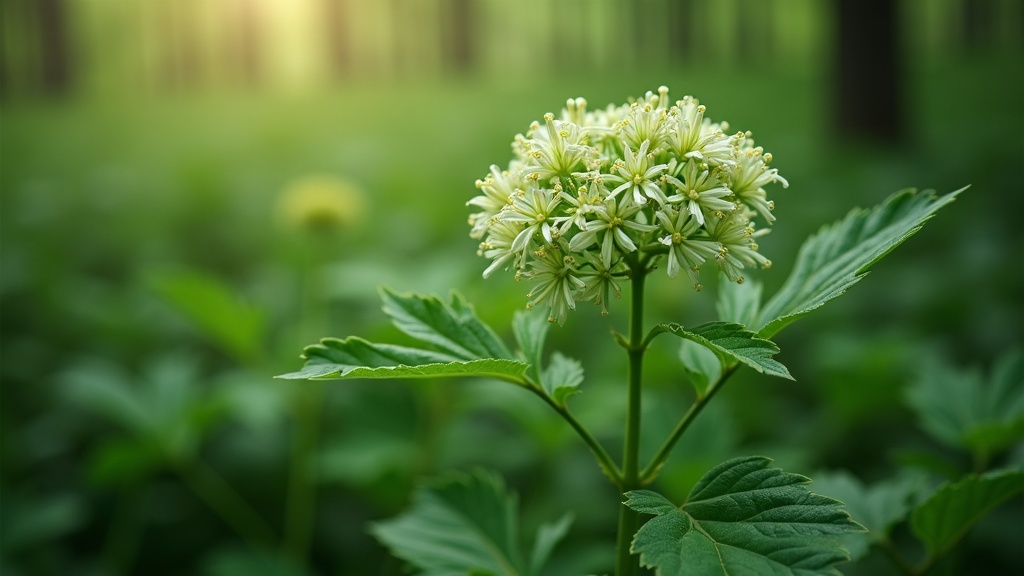
Creeping Hemlock Guide: Planting, Care, and Cultivar Selection
This creeping hemlock guide covers everything you need to know about selecting, planting, and caring for low-growing hemlock cultivars in your landscape, including essential tips for site preparation, spacing, and maintenance.
Table of Contents
- What Is Creeping Hemlock?
- Site Selection and Soil Preparation
- Planting and Spacing Guidelines
- Ongoing Care and Maintenance
- Frequently Asked Questions
- Comparison of Hemlock Approaches
- Practical Tips
- Key Takeaways
Creeping hemlock is a shade-tolerant, evergreen groundcover that provides year-round texture and slope stabilization. This creeping hemlock guide covers site selection, planting, spacing, and maintenance, drawing on expert insights from horticulturists and forest service professionals. You will learn how to select the right cultivar and care for it effectively.
- Most hemlock species, including creeping and dwarf forms, perform best in USDA hardiness zones 3 through 7 (Plant Detectives, 2024)[1].
- Dwarf and prostrate hemlock cultivars are typically spaced 3 to 6 feet apart in landscape plantings (Plant Detectives, 2024)[1].
- A 2 to 3 inch layer of organic mulch is recommended around hemlock cultivars to regulate soil temperature and retain moisture (Plant Detectives, 2024)[1].
What Is Creeping Hemlock?
Creeping hemlock refers to low-growing, prostrate, or dwarf cultivars of the Tsuga genus, primarily eastern hemlock (Tsuga canadensis). Unlike the towering forest trees most people associate with hemlock, creeping hemlock stays close to the ground, forming a dense, evergreen mat. According to Dr. John Kartesz, botanist and director of the Biota of North America Program, “Creeping and prostrate hemlock cultivars provide one of the few truly evergreen, shade-tolerant groundcovers that can stabilize slopes while maintaining a fine-textured aesthetic year-round” (The Hemlock Guide, 2024)[2].
These cultivars are prized for their soft, needle-like foliage and graceful, spreading habit. They typically reach only 1 to 3 feet in height but can spread 4 to 6 feet wide or more over time. Because they are true hemlocks, creeping forms retain the species’ preference for cool, moist, acidic soils and partial to full shade. They are excellent choices for woodland gardens, shaded slopes, and as living mulch beneath taller trees.
One important distinction: creeping hemlock is not related to poison hemlock (Conium maculatum), a highly toxic invasive weed. The two plants belong to entirely different botanical families. This guide focuses exclusively on ornamental, non-toxic hemlock cultivars suitable for home landscapes.
Site Selection and Soil Preparation
Success with creeping hemlock begins with choosing the right location. Dr. Bert Cregg, professor of horticulture and forestry at Michigan State University, emphasizes that “for creeping hemlock, site selection is everything: if you can give it cool roots, protection from afternoon sun, and evenly moist, acidic soil, it will reward you with decades of low-maintenance coverage” (Evergreen Groundcovers for Cold Climates, 2025)[3].
Creeping hemlock thrives in partial to full shade. Full sun, especially hot afternoon sun, can scorch the needles and stress the plant. Ideal locations include north-facing slopes, the shaded side of buildings, and under the canopy of deciduous trees. The soil should be well-draining but consistently moist. Hemlocks are sensitive to drought and will drop needles if allowed to dry out for extended periods.
Before planting, test the soil pH. Hemlocks prefer acidic conditions, ideally between 4.5 and 6.0. If your soil is alkaline, amend it with elemental sulfur or peat moss to lower the pH. Incorporate ample organic matter, such as compost or leaf mold, to improve moisture retention and drainage. If you are planting on a slope, consider terracing or using erosion control fabric to hold the soil in place while the plants establish.
Planting and Spacing Guidelines
Plant creeping hemlock in spring or early fall when temperatures are cool and rainfall is more reliable. Dig a hole twice as wide as the root ball but no deeper. Set the plant so the top of the root ball is level with the surrounding soil. Backfill with native soil mixed with compost, and water thoroughly after planting.
Spacing depends on the desired coverage speed and the specific cultivar’s mature spread. According to the Plant Detectives (2024), dwarf and prostrate hemlock cultivars are “typically spaced 3 to 6 feet apart in landscape plantings depending on the desired spread”[1]. Closer spacing will result in faster coverage but may require thinning later. Wider spacing is more economical but will take longer to fill in.
After planting, apply a 2 to 3 inch layer of organic mulch around each plant, keeping the mulch a few inches away from the stem to prevent rot. The mulch helps regulate soil temperature, retain moisture, and suppress weeds. As Dr. Linda Chalker-Scott, extension horticulturist at Washington State University, notes, “Low-growing hemlock cultivars are excellent candidates for living mulch, but their shallow root systems mean they absolutely depend on consistent soil moisture and a protective layer of organic mulch” (Managing Groundcovers in Pacific Northwest Gardens, 2024)[4].
Ongoing Care and Maintenance
Once established, creeping hemlock requires relatively little maintenance, but consistent care during the first few years is critical. Water deeply during dry spells, especially in summer. A soaker hose or drip irrigation system is ideal for delivering moisture directly to the shallow roots without wetting the foliage, which can encourage fungal diseases.
Fertilize lightly in early spring with a balanced, slow-release fertilizer formulated for acid-loving plants. Avoid high-nitrogen fertilizers, which can produce lush growth that is more susceptible to pests. Pruning is rarely needed, but you can trim back wayward branches in early spring to maintain a tidy shape. Remove any dead or damaged wood as needed.
Monitor for hemlock woolly adelgid (Adelges tsugae), a serious invasive pest that can kill hemlocks. Dr. Susan Frankel, plant pathologist with the USDA Forest Service, advises that “where hemlock woolly adelgid is present, gardeners should prioritize resistant or small-stature hemlock cultivars, including creeping forms that are easier to monitor and treat than mature canopy trees” (Best Management Practices for Hemlock Woolly Adelgid in Ornamental Landscapes, 2025)[5]. Inspect the undersides of branches for white, cottony masses in spring. If detected, treat with horticultural oil or insecticidal soap according to label instructions. Dr. Kathleen Knight, research ecologist with the USDA Forest Service, adds that “dwarf and creeping hemlock selections allow homeowners to enjoy hemlock’s ornamental qualities without the long-term risk and maintenance demands associated with large trees near structures” (Hemlock in Urban and Residential Landscapes, 2024)[6].
Reapply mulch annually to maintain a 2 to 3 inch depth. This helps keep the roots cool and moist, reducing stress on the plants. For a deeper dive into hemlock cultivation and landscape uses, you can consult the comprehensive hemlock cultivation resource from Plant Detectives.
Frequently Asked Questions
How fast does creeping hemlock grow?
Creeping hemlock is a slow to moderate grower. Most cultivars will spread 6 to 12 inches per year under ideal conditions. It can take 3 to 5 years for plants to fully fill in the space between them when spaced 3 to 4 feet apart. Patience is key, but the wait is rewarded with a dense, weed-suppressing carpet of evergreen foliage.
Can creeping hemlock grow in full sun?
Creeping hemlock prefers partial to full shade. In full sun, especially in hot climates, the needles may scorch and turn brown, and the plant will be more susceptible to drought stress. If you must plant in a sunnier location, choose a site with morning sun and afternoon shade, and be diligent about watering during dry periods.
Is creeping hemlock deer resistant?
Hemlocks are not generally considered deer resistant. Deer will browse on hemlock foliage, especially in winter when other food sources are scarce. In areas with high deer pressure, you may need to protect young plants with fencing or deer repellent. As plants mature and become more established, they can tolerate some browsing.
What is the difference between creeping hemlock and poison hemlock?
Creeping hemlock (Tsuga canadensis cultivars) is a non-toxic, evergreen conifer used as an ornamental groundcover. Poison hemlock (Conium maculatum) is a biennial herbaceous weed in the carrot family that is highly toxic to humans and animals. They are completely unrelated botanically and look very different. Creeping hemlock has soft, flat needles and a woody, spreading habit, while poison hemlock has fern-like leaves, hollow stems with purple spots, and produces clusters of white flowers.
Comparison of Hemlock Approaches
When selecting a hemlock for your landscape, you have several options. The table below compares the characteristics of standard eastern hemlock, creeping hemlock cultivars, and dwarf hemlock cultivars.
| Characteristic | Standard Eastern Hemlock | Creeping Hemlock Cultivar | Dwarf Hemlock Cultivar |
|---|---|---|---|
| Mature Height | 40–70 feet | 1–3 feet | 3–6 feet |
| Growth Habit | Upright, pyramidal | Prostrate, spreading | Mounded, compact |
| Best Use | Specimen tree, screen | Groundcover, slope stabilization | Rock garden, small border |
| Maintenance | High (pruning, pest monitoring) | Low to moderate | Low |
| Pest Risk (HWA) | High (difficult to treat) | Lower (easier to monitor) | Lower |
Practical Tips
Here are actionable tips for getting the most out of your creeping hemlock planting:
- Start with healthy stock. Purchase plants from a reputable nursery. Look for specimens with vibrant green needles and a well-developed root system. Avoid plants with yellowing needles or signs of pest damage.
- Water deeply but infrequently. Once established, creeping hemlock benefits from deep watering that encourages root growth. A thorough soaking once a week during dry periods is better than frequent light sprinklings.
- Monitor for pests early. Inspect your plants in early spring for hemlock woolly adelgid. Early detection makes treatment much more manageable. Use a hand lens to check the base of needles for tiny, cottony masses.
- Mulch annually. Refresh the organic mulch layer each spring. This suppresses weeds, conserves moisture, and adds nutrients as it decomposes. Avoid piling mulch against the stems.
- Consider companion plants. Pair creeping hemlock with other shade-loving, acid-tolerant plants such as ferns, hostas, and rhododendrons for a layered, naturalistic look.
For more about Catkarmacreations guide, see read the full guide on catkarmacreations guide.
Key Takeaways
Creeping hemlock is a versatile, low-maintenance evergreen groundcover that brings year-round beauty to shaded landscapes. By selecting the right site, preparing the soil properly, and following consistent care practices, you can enjoy a lush, weed-suppressing carpet for decades. Whether you are stabilizing a slope or filling in a woodland garden, this creeping hemlock guide provides the foundation you need.
Sources & Citations
- Plant Detectives. The Hemlock Guide: Using Tsuga Cultivars in Designed Landscapes.
https://plantdetectives.com/pages/the-hemlock-guide - Dr. John Kartesz. The Hemlock Guide: Using Tsuga Cultivars in Designed Landscapes. Plant Detectives.
https://plantdetectives.com/pages/the-hemlock-guide - Dr. Bert Cregg. Evergreen Groundcovers for Cold Climates. Michigan State University Extension.
https://www.canr.msu.edu - Dr. Linda Chalker-Scott. Managing Groundcovers in Pacific Northwest Gardens. Washington State University Extension.
https://pubs.extension.wsu.edu - Dr. Susan Frankel. Best Management Practices for Hemlock Woolly Adelgid in Ornamental Landscapes. USDA Forest Service.
https://www.fs.usda.gov - Dr. Kathleen Knight. Hemlock in Urban and Residential Landscapes. USDA Forest Service.
https://www.fs.usda.gov