
Freshwater Pearl Necklace Guide: Styles, Lengths & Grading
Discover our complete freshwater pearl necklace guide to help you choose the perfect length, understand grading factors, and find the ideal luster for your look.
Table of Contents
- Understanding Pearl Varieties
- Choosing the Right Length
- Grading Factors in Our Freshwater Pearl Necklace Guide
- Styling and Care Tips
Quick Summary
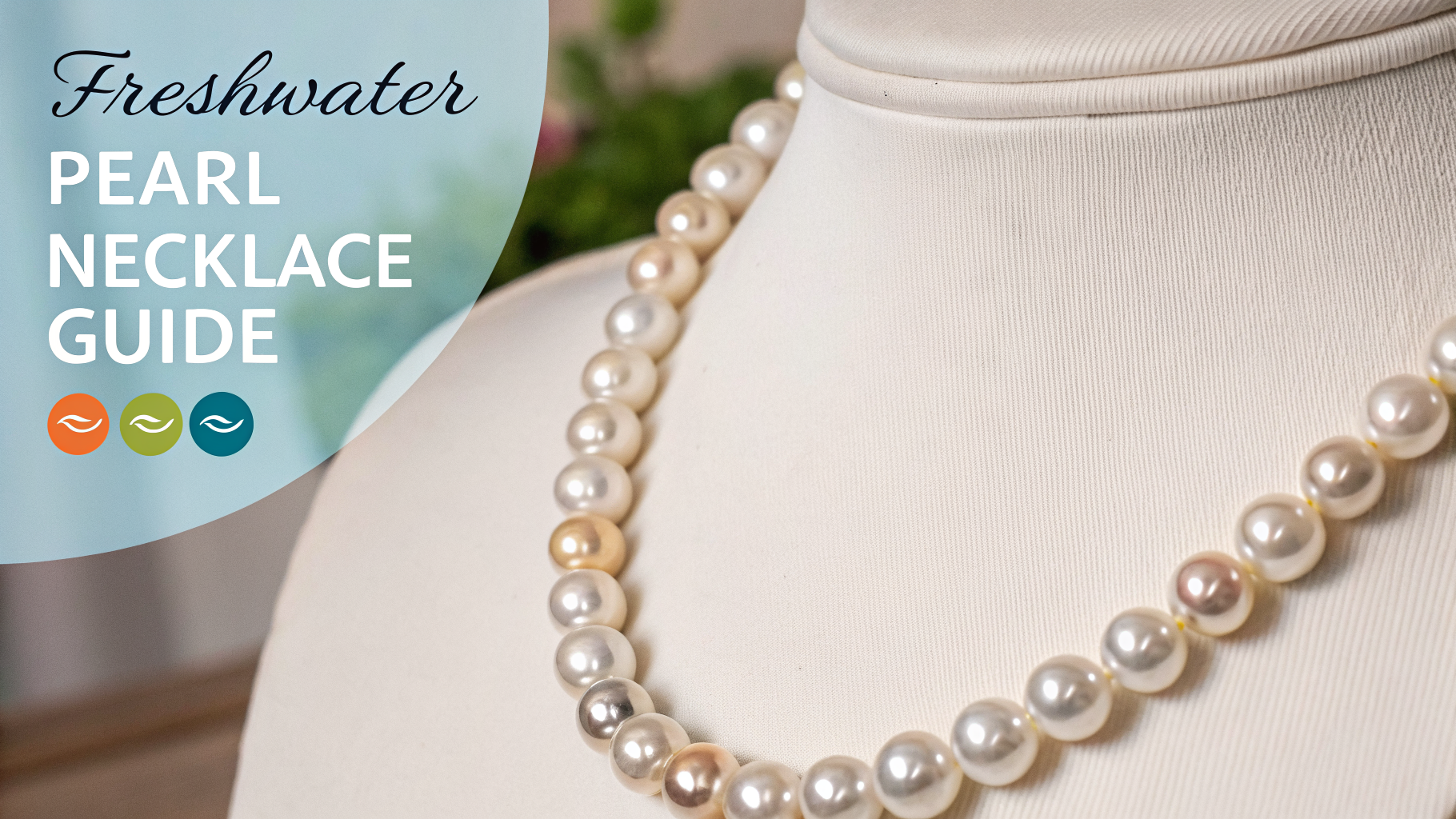
A freshwater pearl necklace guide is a comprehensive resource detailing the selection, grading, and styling of cultured pearl jewelry. It covers essential value factors like luster and nacre quality, helping buyers choose the perfect necklace length and pearl variety for everyday wear or special occasions.
Quick Stats: Freshwater Pearl Necklace Guide
- The most versatile necklace length for everyday wear is 16 inches (Alya Pearl)[1].
- Pearl grading relies on 7 distinct value factors, including size, shape, and luster (Pearl Paradise)[2].
- The market offers 4 main varieties of cultured pearls: Akoya, freshwater, Tahitian, and South Sea (Pearl Paradise)[2].
- The most popular and wearable pearl size range falls between 10 mm and 14 mm (Pearl Paradise)[2].
Freshwater pearl necklace guide principles are essential for anyone looking to invest in elegant, timeless jewelry. Whether you are shopping for a classic strand or a modern design, understanding the nuances of cultured gems ensures you make an informed purchase. Unlike their saltwater counterparts, these gems are cultivated in mussels, offering a wide array of shapes, sizes, and natural colors. This guide to freshwater pearl necklaces breaks down the critical elements of selection, from evaluating surface quality to picking the ideal clasp. By exploring the distinct characteristics of nacre and iridescence, buyers can confidently navigate the market. We will explore the different varieties available, how to measure for the perfect fit, and the specific grading metrics that determine overall value. Read on to discover how to select a beautiful piece that complements your personal style and lasts a lifetime.
Understanding Pearl Varieties and Origins
The foundation of any freshwater pearl jewelry guide begins with recognizing the different types of cultured gems available on the market. According to industry experts, there are four main varieties of cultured pearls commonly available today: Akoya, freshwater, Tahitian, and South Sea pearls (Pearl Paradise)[2]. Each type possesses unique characteristics dictated by the specific mollusk used and the environment in which it is cultivated.
Freshwater pearls are primarily grown in mussels within lakes and rivers, predominantly in China. They are celebrated for their diverse shapes and natural pastel hues, ranging from soft pinks and peaches to lavenders. In contrast, Akoya pearls are renowned for their perfect roundness and mirror-like luster, while Tahitian and South Sea pearls offer larger sizes and dramatic dark or golden overtones.
When consulting a buying guide for freshwater pearls, it is important to note that these gems are often nucleated with tissue rather than a round bead. This process results in a thicker nacre layer, which enhances their durability and gives them a soft, glowing iridescence. While they may not always achieve the flawless spherical shape of saltwater varieties, their unique baroque and oval shapes provide distinct character. Understanding these biological and environmental differences allows collectors to appreciate the specific beauty that each variety brings to a jewelry collection.
Choosing the Right Necklace Length
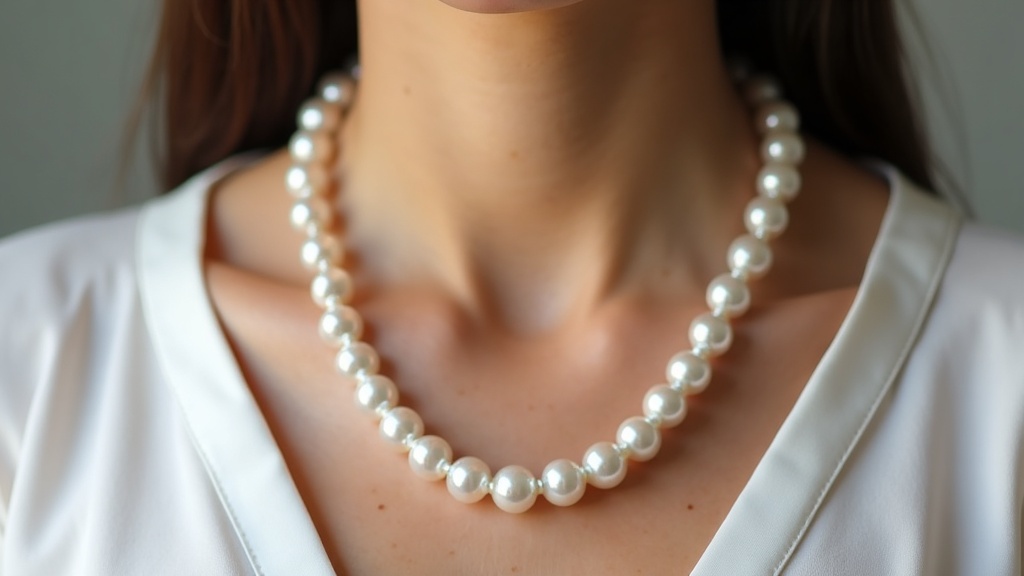
Selecting the appropriate strand length is a crucial step detailed in every comprehensive freshwater pearl strand guide. The way a necklace drapes across the collarbone or chest dramatically alters its visual impact and suitability for different outfits. As one expert notes, “Start with length: A 16-inch pearl necklace (or 16-18 inches) is the most versatile for everyday wear” (Alya)[1].
The princess length, typically measuring between 17 and 19 inches, sits gracefully just below the collarbone and remains the most versatile everyday wear option (Alya Pearl)[1]. For a more formal or layered look, matinee-length pearl necklaces measure 20 to 24 inches, making them highly suitable for sweaters, dresses, and an elegant drape (Alya Pearl)[1]. These longer strands draw the eye downward and pair beautifully with high necklines.
For those seeking a bold fashion statement, opera and rope lengths range from 28 to over 36 inches (Alya Pearl)[1]. These extended lengths can be wrapped multiple times around the neck or knotted to create a layered effect. When deciding on the perfect fit, consider your neck size, personal style, and the typical necklines of your wardrobe. A well-chosen length ensures the jewelry enhances your natural features rather than competing with your clothing.
Grading Factors in Our Freshwater Pearl Necklace Guide
Evaluating the quality of these gemstones requires a systematic approach to several distinct characteristics. In pearl grading, there are seven value factors: size, shape, color, luster, surface quality, nacre quality, and matching (Pearl Paradise)[2]. These metrics collectively determine the overall beauty and market value of a strand.
Luster is arguably the most critical factor, as it dictates the sharpness and intensity of light reflecting off the surface. Experts advise to “prioritize luster: A bright glow makes pearls look ‘expensive’ even at smaller sizes” (Alya)[1]. Surface quality refers to the absence of blemishes, spots, or cracks, while nacre thickness ensures the gem’s longevity and deep overtone. For a deeper scientific understanding of how these gems form and are evaluated, you can explore the Gemological Institute of America’s pearl education resources.
Matching is another vital component, especially for strands containing multiple gems. A high-quality necklace will feature stones that are uniform in size, shape, and color. While minor variations are natural and expected, a poorly matched strand will look disjointed. By carefully examining these seven factors, buyers can confidently assess the true quality of their potential purchase and ensure they are receiving a piece that meets high jewelry standards.
Styling, Customization, and Care
Once you have selected the perfect piece, proper styling and maintenance will keep it looking pristine for years. Modern jewelry trends increasingly blend classic gems with personalized elements. For instance, pairing a traditional strand with unique pendants, such as the custom cat silhouette necklaces available from specialized artisans, creates a highly individualized look. You can also explore more custom cat silhouette necklace designs to mix and match with your gemstone strands.
When exploring unique jewelry combinations, many enthusiasts also look to specialized retailers for inspiration. Browsing a dedicated freshwater pearl necklace guide on sites like freshwater pearl necklace custom designs can provide excellent ideas for integrating these gems into modern, personalized aesthetics. Whether you prefer a minimalist single strand or a layered bohemian look, the versatility of these gems allows for endless creativity.
To maintain their natural beauty, always store your jewelry in a soft pouch away from harder gemstones that could scratch the surface. Apply perfumes, hairsprays, and cosmetics before putting on your necklace, as chemicals can dull the nacre over time. After wearing, gently wipe the strand with a soft, damp cloth to remove natural skin oils. Following these simple care instructions ensures your jewelry retains its brilliant luster and structural integrity for generations.
Your Most Common Questions
How can I tell if my pearls are real or fake?
Real pearls have a unique sheen and an irregular surface, whereas fake pearls may appear ‘too perfect’ and have a uniform shine and perfect roundness (Ernest Jones)[3]. You can also perform the tooth test by gently rubbing the gem against the edge of your front teeth. A genuine stone will feel slightly gritty or sandy due to its microscopic crystalline structure, while a glass or plastic imitation will feel perfectly smooth. Additionally, real gems are typically cool to the touch initially and warm up slowly against the skin. Checking the drill holes can also reveal clues; fake ones often show chipped paint or a sharp, perfectly uniform edge, whereas genuine stones have clean, sharp holes without peeling material.
What is the most popular size for a necklace?
The most popular size range for these necklaces typically falls between 7.5 and 8 millimeters, which offers a classic and elegant appearance suitable for daily wear (Pearl Paradise)[2]. However, for those seeking a more substantial and modern look, the most popular and wearable size range is often described as being between 10 mm and 14 mm (Pearl Paradise)[2]. Smaller sizes, around 5 to 6 millimeters, provide a delicate, minimalist aesthetic, while larger stones above 14 millimeters make a bold, dramatic statement. The ideal size ultimately depends on your personal style, body proportions, and the specific occasions for which you plan to wear the jewelry.
Why are freshwater pearls generally more affordable than saltwater ones?
The price difference primarily stems from the cultivation process and yield. A single freshwater mussel can produce up to 30 gems at a time, whereas a saltwater oyster typically yields only one or two. This higher production volume makes them more abundant and accessible. Additionally, the culturing process for mussels is generally less labor-intensive and occurs in controlled lake environments rather than open ocean waters, reducing overhead costs. Despite their lower price point, they offer exceptional value, often featuring thicker nacre than their saltwater counterparts. This thickness contributes to excellent durability and a beautiful, soft luster, making them an outstanding choice for buyers seeking high-quality jewelry without the premium price tag.
How should I store my pearl jewelry to prevent damage?
Proper storage is essential to maintain the integrity and luster of your jewelry. Always keep your strand in a soft cloth pouch or a lined jewelry box, separate from harder gemstones like diamonds or sapphires that can easily scratch the soft nacre surface. Avoid storing them in airtight plastic bags or extremely dry environments, as they require a slight amount of moisture to prevent cracking and dehydration. It is also highly recommended to lay the necklace flat rather than hanging it, which can stretch the silk thread over time. Finally, ensure the jewelry is completely clean and free of perfumes or lotions before putting it away, as trapped chemicals can degrade the surface and weaken the stringing material.
Comparing Pearl Varieties
When selecting the perfect piece, comparing the distinct characteristics of different cultured varieties helps narrow down your options. Each type offers unique benefits regarding luster, size, and price point.
| Variety | Typical Size | Key Characteristics | Best For |
|---|---|---|---|
| Freshwater | 5-12 mm | Diverse shapes, pastel colors, thick nacre | Everyday wear, budget-friendly elegance |
| Akoya | 6-9 mm | Perfectly round, mirror-like luster, white/cream | Classic strands, formal events |
| Tahitian | 8-15 mm | Dark colors, peacock overtones, large sizes | Bold statement pieces, modern styles |
| South Sea | 9-20 mm | Large sizes, satiny luster, white/golden hues | Luxury investments, high-end gifts |
Understanding these differences ensures you select an approach that aligns with your aesthetic preferences and budget, as outlined in any good freshwater pearl necklace guide.
Practical Tips for Buyers
Navigating the jewelry market requires a strategic approach to ensure you receive the best value and quality. First, always examine the strand in natural daylight if possible, as artificial store lighting can artificially enhance the apparent luster and hide surface blemishes. Look for a sharp, distinct reflection on the surface rather than a dull, chalky appearance.
Second, pay close attention to the stringing and clasps. High-quality strands are typically knotted between each gem to prevent them from rubbing together and to ensure you only lose one if the thread breaks. The clasp should be sturdy, preferably made of solid gold or sterling silver, and include a safety catch for added security.
Finally, consider the overall matching of the strand. While minor variations are natural, the gems should blend seamlessly from the center to the clasp. If you are buying online, request high-resolution photographs and videos from multiple angles. Reputable sellers will provide detailed information about the grading factors and offer a clear return policy, giving you peace of mind as you use this freshwater pearl necklace guide on your buying journey.
Key Takeaways
Selecting the perfect jewelry piece involves balancing length, size, and quality factors to match your personal style. By utilizing this freshwater pearl necklace guide, you can confidently evaluate luster, nacre thickness, and surface quality to make an informed decision. Whether you prefer a classic 16-inch princess strand or a bold opera-length design, understanding these core principles ensures your investment remains beautiful for years to come. For more insights on jewelry styling and care, continue exploring the expert articles and resources available on karmacraftscorner.com.
Learn More
- Freshwater Pearl Necklace Guide: Length, Styles & Meaning. Alya Pearl.
https://alyapearl.com/blogs/the-pearl-guide-1/freshwater-pearl-necklace-guide-length-styles-meaning - Pearl Necklaces: The Expert How-to Guide on Selection. Pearl Paradise.
https://www.pearlparadise.com/pages/pearl-necklaces - The Ultimate Guide to Pearls. Ernest Jones.
https://www.ernestjones.co.uk/blog/the-ultimate-guide-to-pearls
For more about Cat lover gift guide, see Cat Lover Gift Guide.