
Creepinghemlock Guide: Identify and Remove Toxic Weeds
Discover our comprehensive creepinghemlock guide to identify, manage, and safely remove toxic poison hemlock from your property and protect local ecosystems.
Table of Contents
- Quick Summary
- Creepinghemlock Guide in Context
- Introduction to Toxic Weeds
- Identifying the Invasive Plant
- Safe Removal and Hemlock Weed Control
- Using Herbicides for Eradication
- Long-Term Hemlock Plant Eradication
- What People Are Asking
- Comparing Control Methods
- Practical Tips for Landowners
- The Bottom Line
Creepinghemlock Guide in Context
- Poison hemlock can grow up to 10 feet tall, making mature plants highly visible in infested fields (UC Statewide Integrated Pest Management Program, 2024)[1].
- Coniine and related alkaloids are estimated to be lethal to cattle at doses around 0.5 percent of body weight (U.S. Forest Service, Southwestern Region, 2024)[2].
- Effective mowing programs generally require 3-5 years of consecutive mowing to substantially reduce the seed bank (U.S. Forest Service, Southwestern Region, 2024)[2].
Introduction to Toxic Weeds
Creepinghemlock guide strategies are vital for landowners dealing with one of the most dangerous invasive species in North America. Poison hemlock (Conium maculatum) is a highly toxic biennial weed that threatens livestock, wildlife, and human health. Because it often grows along trails, roadsides, and in backyards, early identification and control are critical to preventing accidental poisonings (King County Noxious Weed Control Program, 2024)[3]. Understanding the plant’s life cycle and toxicity is the first step toward effective management. This article explores reliable methods for creeping hemlock management, from manual extraction to targeted chemical treatments. We will cover identification markers, safe removal protocols, and long-term prevention tactics to keep your property secure.
Identifying the Invasive Plant
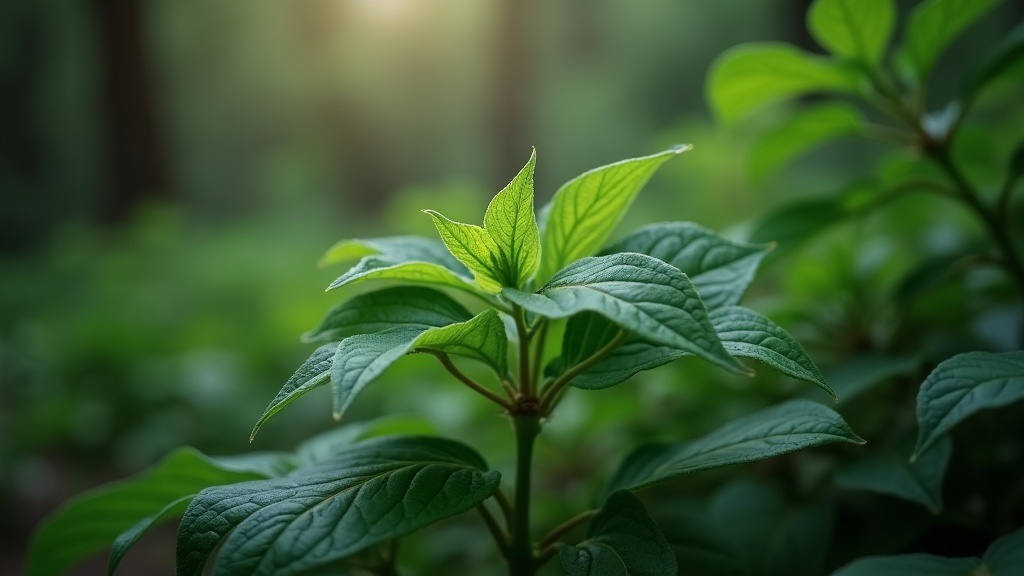
Accurate poison hemlock identification is the foundation of any successful control program. This noxious weed typically behaves as a biennial, forming a vegetative rosette in the first year and bolting, flowering, and setting seed in the second year before dying (UC Statewide Integrated Pest Management Program, 2024)[1]. During its first year, the plant stays close to the ground, making it easy to overlook. By the second year, it can grow up to 10 feet tall, developing hollow, hairless stems with distinctive purple blotches.
The leaves are finely divided and fern-like, emitting a foul, musty odor when crushed. This unpleasant smell is a key warning sign for foragers and gardeners. White, umbrella-shaped flower clusters appear in late spring and early summer, eventually producing thousands of seeds that disperse widely. Because all parts of the plant are poisonous and it readily spreads by seed, homeowners should focus on removing plants before they flower to avoid new infestations in subsequent years (UC Statewide Integrated Pest Management Program, 2024)[1].
Misidentification is a common issue, as poison hemlock resembles harmless plants like wild carrot or Queen Anne’s lace. However, wild carrot has a hairy stem and lacks the purple blotches found on hemlock. Proper identification prevents accidental ingestion and ensures that targeted control measures are applied correctly. Consult local agricultural extensions or use a dedicated creepinghemlock guide for region-specific tips. Always wear protective clothing when inspecting suspected plants, as even small exposures to the sap can lead to significant skin irritation (KDKA-TV, 2024)[4].
Safe Removal and Hemlock Weed Control
Mechanical extraction remains a primary method for toxic hemlock removal, especially in environmentally sensitive areas. Once you positively identify poison hemlock, the safest approach for homeowners is to remove individual plants by hand pulling or hoeing while wearing protective clothing (UC Statewide Integrated Pest Management Program, 2024)[1]. This manual approach is highly effective for small infestations and prevents the spread of seeds if done before the flowering stage.
When pulling the plant, ensure you extract the entire taproot. Leaving root fragments in the soil allows the weed to regenerate. For larger patches, mechanical tillage to control poison hemlock should be carried out at 3-week intervals to a soil depth of at least 4 inches, beginning in spring when plants are in the rosette or early bolt stage (U.S. Forest Service, Southwestern Region, 2024)[2]. This disrupts the root system and exhausts the plant’s energy reserves.
Mowing is another mechanical option, though it requires long-term commitment. Effective mowing programs for established infestations generally require 3-5 years of consecutive mowing to substantially reduce the seed bank and plant density (U.S. Forest Service, Southwestern Region, 2024)[2]. Mowing must be timed correctly; cutting the plant too early allows it to resprout, while cutting it too late risks spreading mature seeds. Always clean your equipment thoroughly after working in infested areas to prevent transporting seeds to clean sites. You must be meticulous in weed removal techniques to ensure long-term property safety.
Using Herbicides for Hemlock Plant Eradication
Chemical treatments offer a scalable solution for dense infestations where manual labor is impractical. Spot application of herbicide when plants are still in the rosette stage provides excellent control with minimal environmental impact (UC Statewide Integrated Pest Management Program, 2024)[1]. Selective herbicides such as 2,4-D, 2,4-DB, or MCPA are recommended at application rates of 1-2 pounds active ingredient per acre for control of poison hemlock seedlings in open areas away from water (U.S. Forest Service, Southwestern Region, 2024)[2].
Timing and application protocols are critical for success. King County guidance recommends waiting at least 14 days after herbicide application before cutting poison hemlock plants, to allow systemic herbicides time to move into roots and achieve effective control (King County Noxious Weed Control Program, 2024)[3]. Cutting the plants too soon interrupts the translocation process, leaving the root system intact and capable of resprouting.
Special considerations apply to aquatic or riparian sites. For these environments, glyphosate herbicide used for poison hemlock control must be in an approved aquatic formulation such as Rodeo, which is labelled for application near water (U.S. Forest Service, Southwestern Region, 2024)[2]. For dense infestations, the U.S. Forest Service recommends making two glyphosate applications about one month apart during summer, followed by a fall grass seeding to increase competition from desirable species (U.S. Forest Service, Southwestern Region, 2024)[2]. Always read the product label carefully and adhere to local regulations regarding chemical use. You can find more detailed chemical safety protocols by reviewing an external university integrated pest management resource before beginning any spraying program.
Long-Term Hemlock Plant Eradication and Prevention
Sustained prevention is the ultimate goal of any comprehensive creeping hemlock management plan. Prevention, early detection, and rapid removal of new poison hemlock populations are the most effective and cost-efficient strategies for protecting rangelands, riparian corridors, and recreation sites from long-term infestation (U.S. Forest Service, Southwestern Region, 2024)[2]. Once an area is cleared, establishing competitive vegetation is crucial to prevent the weed from returning.
Seeding bare soil with native grasses or robust pasture mixes shades the ground and outcompetes hemlock seedlings. Poison hemlock thrives in disturbed, bare soil, so maintaining a healthy, dense ground cover is a natural deterrent. Regular monitoring of property boundaries, fence lines, and drainage ditches helps catch new seedlings before they establish deep taproots. In regions like Washington, poison hemlock is classified as a Class B noxious weed that landowners are required to control, reflecting its high risk to people, livestock, and native plant communities (King County Noxious Weed Control Program, 2024)[3].
Educating neighbors and community members amplifies your efforts. Share your knowledge using a reliable creepinghemlock guide to help others spot the weed early. If livestock grazing is part of your land management strategy, ensure animals have access to ample forage. Coniine and related alkaloids in poison hemlock are estimated to be lethal to cattle at doses around 0.5 percent of body weight when consumed in a single feeding (U.S. Forest Service, Southwestern Region, 2024)[2]. Animals typically avoid the plant if other food is available, but they will eat it if forced to graze in heavily infested, overstocked pastures. Maintaining good pasture health protects both your investment and the local ecosystem.
What People Are Asking
Is poison hemlock dangerous to touch?
Yes, direct contact can cause skin irritation. Poison hemlock is toxic, invasive and could be in your backyard, and experts say you should never handle it with bare skin because even small exposures can lead to significant irritation (KDKA-TV, 2024)[4]. The plant contains toxic alkaloids that can be absorbed through the skin or mucous membranes. Always wear thick gloves, long sleeves, and eye protection when working near the plant. If sap contacts your skin, wash the area immediately with soap and water. Taking proper safety precautions is essential to avoid uncomfortable rashes.
How can I tell the difference between poison hemlock and wild carrot?
The stems and odors are the most reliable indicators. Poison hemlock features smooth, hairless stems with distinct purple blotches or streaks, whereas wild carrot has green, hairy stems without purple markings. Additionally, crushing the leaves of poison hemlock releases a foul, musty, mouse-like odor. In contrast, wild carrot smells distinctly like carrots when crushed. The root systems also differ; poison hemlock has a white, unbranched taproot. Relying on these physical traits ensures accurate identification and prevents accidental harvesting of this deadly lookalike.
Will mowing kill poison hemlock permanently?
Mowing alone rarely provides permanent eradication and requires long-term dedication. Because the plant stores energy in its deep taproot, it can quickly resprout after being cut. Effective mowing programs for established poison hemlock infestations generally require 3-5 years of consecutive mowing to substantially reduce the seed bank and plant density (U.S. Forest Service, Southwestern Region, 2024)[2]. Mowing must occur right before flowering to prevent seed production. Combining mowing with herbicide treatments or reseeding offers much faster and more reliable control.
What should I do with the plants after pulling them?
Proper disposal is critical to prevent accidental poisoning and seed spread. Do not compost or burn poison hemlock, as the smoke can contain toxic particulates and composting may not generate enough heat to destroy the seeds or alkaloids. Instead, place the pulled plants in heavy-duty plastic bags, seal them tightly, and dispose of them in the regular trash according to local municipal guidelines. Always wash your tools, boots, and clothing thoroughly after handling the weed to avoid transporting seeds to uninfested areas.
Comparing Control Methods
Selecting the right eradication strategy depends on the size of the infestation, the location, and your long-term land management goals. Each approach offers distinct advantages and limitations when executing a creepinghemlock guide protocol.
| Method | Best For | Pros | Cons |
|---|---|---|---|
| Manual Pulling | Small patches, sensitive areas | Highly targeted, no chemicals | Labor-intensive, requires root extraction |
| Mowing | Large fields, agricultural land | Covers large areas quickly | Requires 3-5 years of consecutive effort |
| Systemic Herbicides | Dense infestations, rosette stage | Kills root system effectively | Requires careful handling, waiting periods |
| Tillage | Open soil, early bolt stage | Disrupts root network deeply | Can cause soil erosion if not reseeded |
Evaluating these options helps landowners choose the most efficient and safe method for their specific property needs.
Practical Tips for Landowners
Implementing a few best practices can significantly improve your success rate when managing this toxic weed. First, always time your interventions correctly. Targeting the plant during its first-year rosette stage or early second-year bolting stage yields the best results, as the plant is most vulnerable and has not yet produced seeds.
Second, prioritize personal safety. Always wear chemical-resistant gloves, long pants, and long sleeves when working near the plant. Third, focus on soil health after removal. Bare soil is an invitation for new weed seeds to germinate. Immediately overseed cleared areas with competitive, desirable grasses or native plants to shade the soil and block hemlock seedlings from taking root.
Finally, maintain a regular monitoring schedule. Walk your property boundaries and waterways monthly during the spring and early summer. Catching a single new plant early takes only a minute to pull. Consistent vigilance is the key to keeping your property safe and free from invasive species.
The Bottom Line
Managing this dangerous invasive species requires diligence, proper identification, and consistent follow-through. By utilizing a comprehensive creepinghemlock guide, landowners can protect their families, livestock, and local ecosystems from severe harm. Whether you choose manual extraction, mechanical mowing, or targeted herbicides, early intervention remains your best defense against long-term infestation. Stay vigilant, prioritize safety, and maintain healthy ground cover to keep the weed at bay. For more helpful property management and landscaping advice, consult your local agricultural extension office or trusted gardening resources.
Useful Resources
- Poison Hemlock – UC IPM Home and Landscape. UC Statewide Integrated Pest Management Program.
https://ipm.ucanr.edu/home-and-landscape/poison-hemlock/ - Field Guide for Managing Poison Hemlock in the Southwest. U.S. Forest Service, Southwestern Region.
https://www.fs.usda.gov/media/17413 - Poison hemlock identification and control. King County Noxious Weed Control Program.
https://kingcounty.gov/en/dept/dnrp/nature-recreation/environment-ecology-conservation/noxious-weeds/identification-control/poison-hemlock - Experts Give Tips On Avoiding Poison Hemlock. KDKA-TV.
https://www.youtube.com/watch?v=EmyAs5-vkkk
For more about Article creation guide, see Article Creation Guide.